
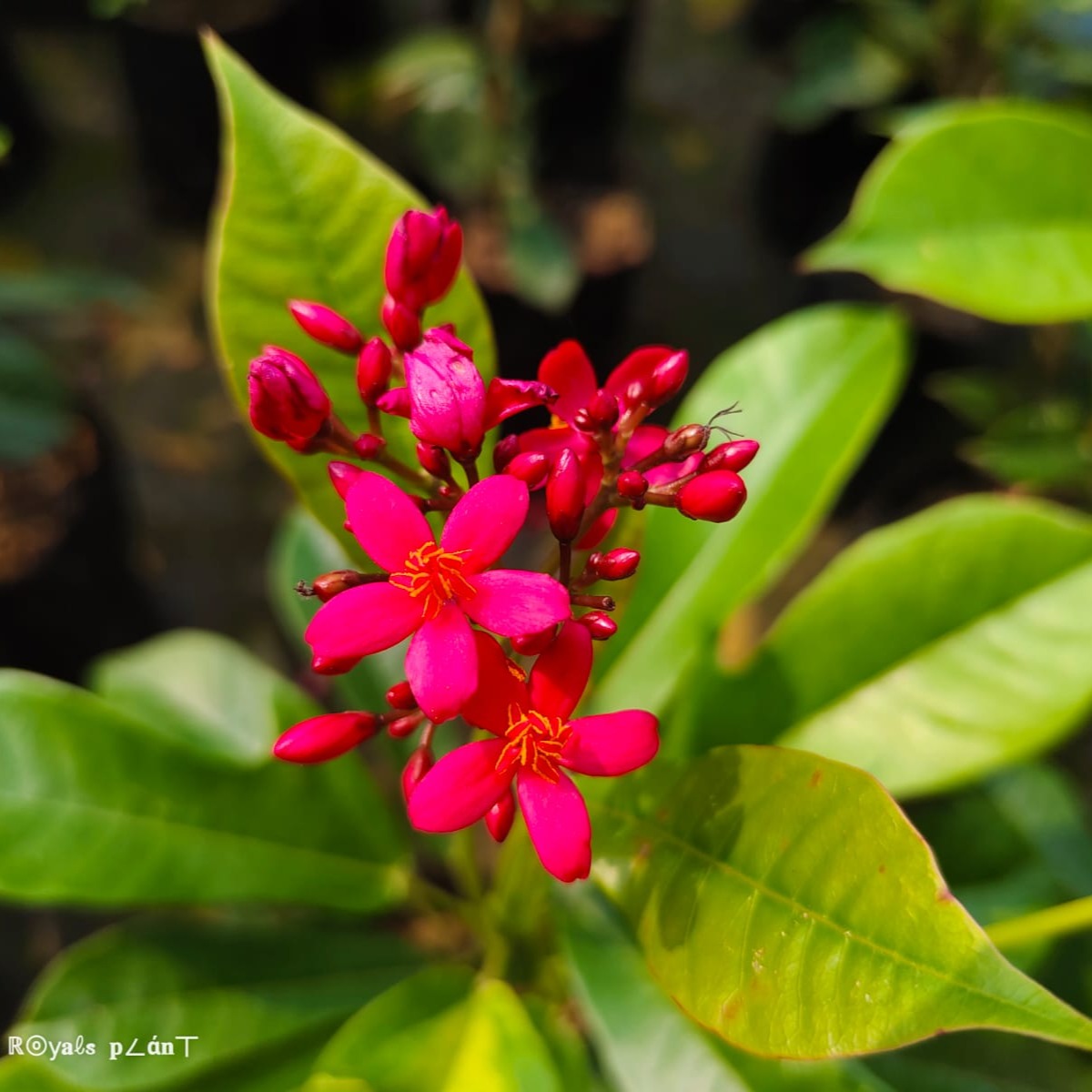
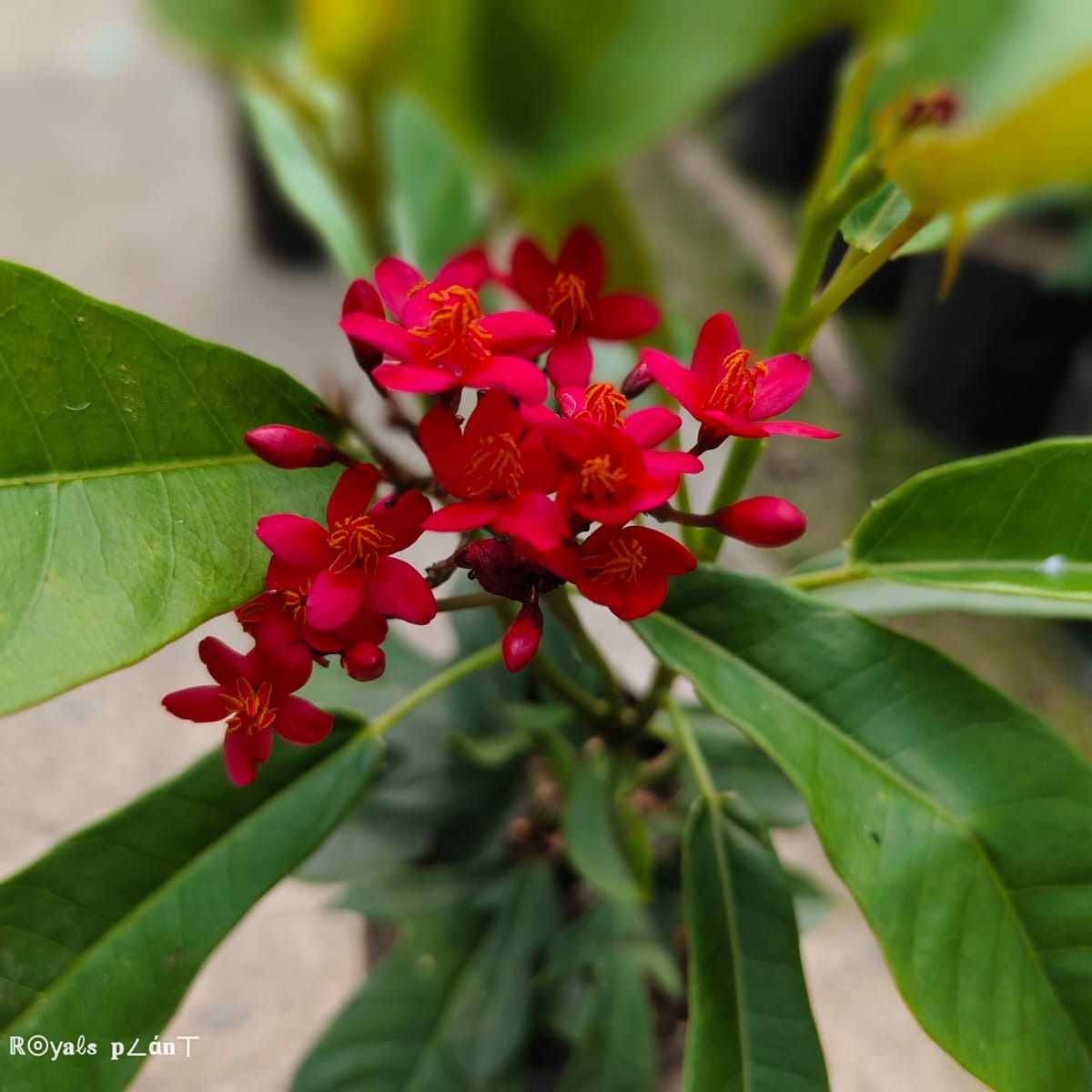
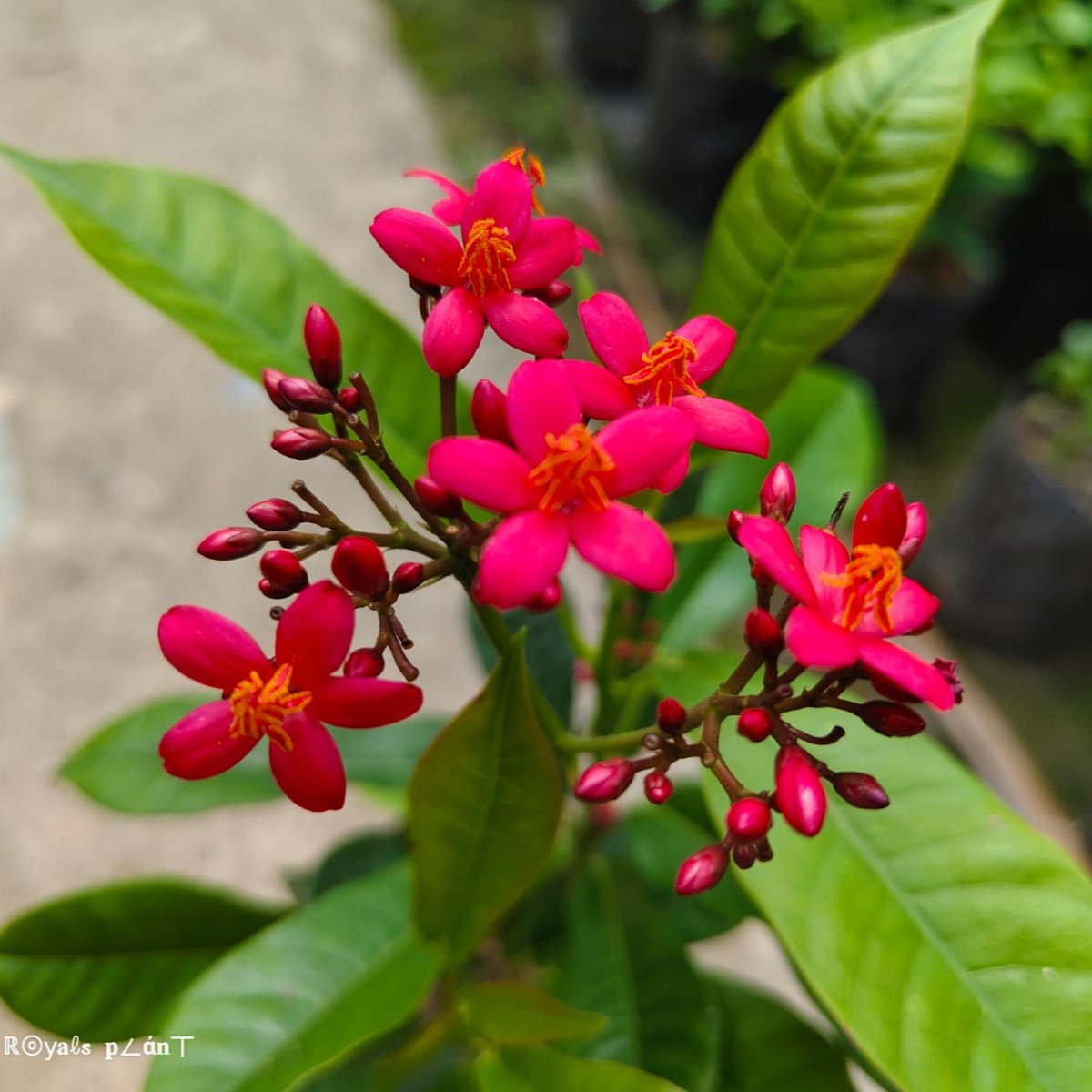
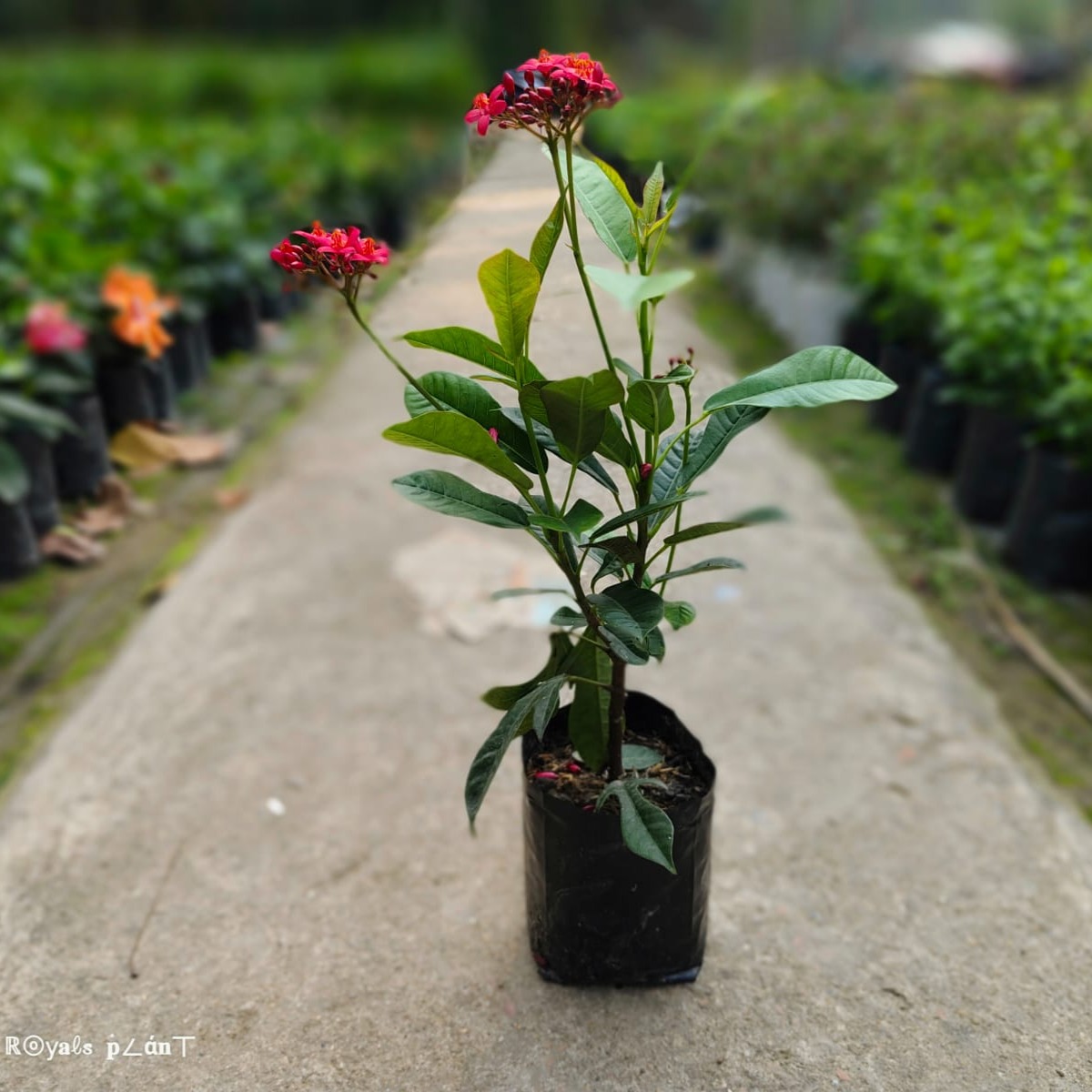
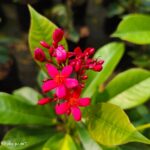
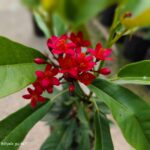
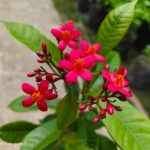
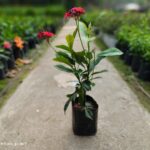
Maintaining Jatropha plants involves several key practices to ensure healthy growth and optimal seed production:
- Watering: Jatropha plants are drought-tolerant once established, but they still require regular watering, especially during the dry season. However, avoid overwatering as it can lead to root rot.
- Pruning: Regular pruning helps the plant maintain a strong structure, encourages new growth, and removes dead or damaged branches. It also improves air circulation and sunlight penetration.
- Soil Care: Jatropha prefers well-drained, sandy or loamy soil. While it can tolerate poor soils, providing a good balance of nutrients will enhance growth. A soil pH of 6-7 is ideal. Fertilizing occasionally can boost plant health.
- Pest and Disease Management: Jatropha is relatively pest-resistant, but occasional issues with aphids, mealybugs, or fungal diseases may occur. Use organic pesticides or fungicides if necessary, but avoid overuse.
- Mulching: Mulch around the base of the plant helps retain moisture, regulate soil temperature, and reduce weeds.
- Harvesting: Jatropha seeds are harvested once they mature, typically about 9-12 months after planting. It’s important to handle the seeds carefully as they contain toxic compounds.
By following these maintenance steps, Jatropha plants will continue to thrive, providing both environmental benefits and a valuable source of biofuel.







Seher Sheth –
Nice experience overall, plant was beautiful.
Jayant Soni –
Loved the plant, very healthy.
Divij Singh –
Perfect for my balcony, good job!
Shray Sathe –
Super healthy and green, highly recommend.
Advik Sarna –
Value for money, plant was in great condition.
Hiran Vala –
Loved the plant, very healthy.
Indrajit Shankar –
Satisfied with the plant, looks great.
Lakshay Sarma –
Arrived safely and was well packed.